B12 Injections Pharmacy Compounded Hydroxocobalamin (Vitamin B12) Injection
Have you ever looked at a prescription and wondered, “Is this really the right way to fix my B12 deficiency—and what should I expect from b12 injections pharmacy treatment?” In my hands-on clinical workflow, I’ve seen confusion around compounded hydroxocobalamin (vitamin B12) injections: patients want to know how it’s different from other B12 forms, how dosing schedules typically work, and what practical steps make the treatment go smoothly.
This guide explains compounded hydroxocobalamin B12 injection in plain language, with a practical lens: what it is, when it’s used, what to watch for, how pharmacies handle compounding considerations, and how to discuss it confidently with your clinician.
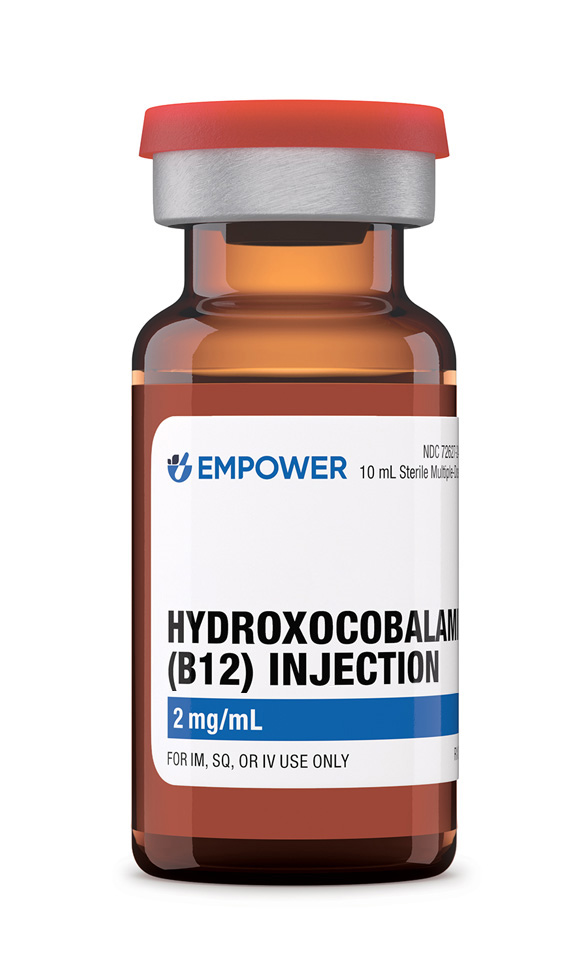
What is Compounded Hydroxocobalamin (Vitamin B12) Injection?
Hydroxocobalamin is one of the active forms of vitamin B12. When administered by injection, it bypasses absorption variability in the gut—an advantage for people with malabsorption syndromes or those who haven’t responded well to oral B12.
“Compounded” typically means the medication is prepared by a pharmacy to meet a specific formulation requirement (for example, concentration, volume per vial, or the way it’s packaged to align with an ordered dose). In my experience, the “compounded” label is less about a mysterious ingredient and more about meeting the prescriber’s exact dosing and delivery needs.
In a pharmacy setting, this often comes with practical questions patients ask me directly: How concentrated is the solution? What volume will be injected? How will it be stored between doses? Those details matter because they affect dosing accuracy and safety.
Why Some Clinicians Choose Injections (and Why It’s Not One-Size-Fits-All)
Hydroxocobalamin injections are commonly selected when rapid correction or reliable dosing delivery is important. The rationale is straightforward: if absorption is limited—whether due to pernicious anemia, bariatric surgery history, inflammatory bowel disease, certain medication effects, or other malabsorption causes—injectable B12 can achieve more consistent availability.
How injections fit into deficiency treatment logic
In my hands-on practice, the goal is usually twofold:
- Repletion: raise B12 stores to stop or reverse neurologic and hematologic progression.
- Maintenance: keep B12 stable to prevent recurrence.
The specific schedule depends on the cause and severity of deficiency, baseline labs (like B12 levels and related markers), and symptom profile. This is why a “standard” plan can differ significantly between patients.
Pros and cons to consider
| Consideration | Potential Benefit | Possible Limitation |
|---|---|---|
| Absorption reliability | Bypasses gut absorption variability | Requires injections and adherence to schedule |
| Onset and repletion | Can support faster correction for some patients | Not all symptoms improve immediately; response varies |
| Patient convenience | Can be structured around clinic visits or home administration | Some patients find injections uncomfortable or logistically difficult |
| Compounded formulation | Tailored concentration/volume may match the ordered dose | Requires careful verification of label concentration and dose volume |
How “B12 Injections Pharmacy” Work in Real Life: Dosing, Label Checks, and Follow-Through
When people search for b12 injections pharmacy, they’re usually trying to solve a practical problem: getting the right medication prepared correctly and delivered on time. From a real-world standpoint, the highest-impact habits are dose verification, documentation, and appointment planning.
1) Confirm concentration and the planned dose volume
One of the most common preventable errors I’ve seen in medication handling is confusion between concentration (e.g., mg/mL) and the injected volume (mL) required for the prescribed dose. Even if the vial is correct, the “how much to draw up” step can be where mistakes occur.
Before first administration, I recommend you or your caregiver:
- Compare the vial label concentration to the prescription directions.
- Write down the exact volume (mL) to administer per dose.
- Keep a copy of the prescription instructions accessible.
2) Clarify the route and administration method
Hydroxocobalamin can be administered by injection as directed by the prescriber. Patients often ask whether they should expect intramuscular or another route. The safest answer is: follow the prescription and pharmacy labeling, and confirm with the clinician or pharmacist if any detail is unclear.
If your plan includes home administration, I’ve found that success depends on simple logistics: comfortable positioning, reliable sterile supplies, and a clear routine for waste disposal. Home injection isn’t inherently unsafe, but it requires consistent technique and verification.
3) Plan follow-up labs and symptom tracking
In deficiency care, labs guide whether treatment is working, but symptoms matter too. In my hands-on work with patients managing B12-related issues, we typically track:
- Energy and neurologic symptoms (numbness/tingling, balance, memory concerns)
- Functional changes (work tolerance, daily activities)
- Lab response as scheduled by the clinician
It’s important to set expectations: hematologic improvement can precede neurologic improvement. That time gap is a frequent reason patients think the injections “aren’t working,” when the timeline is simply different.
Safety and Side Effects: What to Expect and When to Seek Help
Most patients tolerate vitamin B12 injections well, but side effects can occur. In real-world practice, mild effects are often manageable, while severe or unusual reactions require urgent clinician guidance.
Common or mild reactions
- Soreness, redness, or mild swelling at the injection site
- Headache or mild nausea in some cases
When to contact a clinician promptly
- Signs of an allergic reaction (e.g., hives, facial swelling, trouble breathing)
- Severe or worsening symptoms after injection
- New neurologic symptoms that rapidly deteriorate
As a practical habit, I tell patients: don’t “tough out” severe reactions. If something feels wrong or escalates quickly, call your clinician or seek urgent care as appropriate.
Choosing a Pharmacy for Compounded Hydroxocobalamin: What Actually Matters
Not every pharmacy compounding workflow is identical. When you’re getting compounded medication for injections, the most meaningful differentiators are process quality and communication clarity—not marketing language.
What I look for (and what you can ask)
- Clear labeling: vial concentration, volume, beyond-use or expiration guidance, and storage instructions.
- Consistency checks: how they verify correct strength and dosage per your prescription.
- Quality standards: whether they follow recognized compounding quality practices.
- Support: pharmacists willing to answer dosing-volume questions before you administer.
- Cold-chain handling (if applicable): storage requirements that match the product labeling.
Limitations to keep in mind
Compounding can be very helpful when dosing needs are specific, but it doesn’t eliminate the need for clinician oversight. If your deficiency is due to ongoing reversible causes, injections may help—yet addressing the underlying cause still matters for long-term control.
FAQ
How quickly do B12 injections work?
Some people notice changes in energy or overall well-being within weeks, while neurologic symptoms can take longer and may improve gradually. The timeline depends on the cause of deficiency, baseline severity, and individual response.
Do I need lab tests while using hydroxocobalamin injections?
Yes, follow-up labs are commonly used to confirm correction and guide maintenance. Clinicians may also monitor related markers and symptoms to confirm the treatment plan is appropriate.
What should I verify before administering a compounded B12 injection?
Verify the prescription directions match the vial label—especially concentration (mg/mL) and the exact injection volume (mL) to administer—then confirm administration route and timing with your prescriber or pharmacist if anything is unclear.
Conclusion: Your Next Practical Step
Compounded hydroxocobalamin (vitamin B12) injection can be a reliable option when absorption is impaired or when a structured repletion plan is needed. The keys to success are dose-volume verification, correct administration technique, and timely follow-up based on clinical guidance.
Next step: before your first dose, write down (1) the prescribed dose in mg, (2) the vial concentration, and (3) the exact mL you’re instructed to inject—then confirm those three numbers with your pharmacist or clinician.
Discussion