Bpc 157 Peptide For Joint Pain BPC-157 Benefits, Dosage & Before/After Results
Introduction: What if joint pain keeps derailing your training?
After months of pushing through “minor” aches, I finally had to stop pretending joint pain was just bad luck. In my hands-on work reviewing protocols people actually use, the most common pattern is the same: they want something targeted (joint support), predictable (a clear dosage), and measurable (before/after changes they can track). That’s why you’ll see increasing interest in bpc 157 peptide for joint pain—a short-peptide compound people use with the goal of supporting tissue repair and comfort.
This guide breaks down BPC-157 benefits people report, typical dosage ranges used in practice, how to think about “before/after results” responsibly, and what to watch for if you’re considering it. I’ll keep it practical and grounded in the realities of how joint pain actually behaves day-to-day.
BPC-157 (What It Is) and Why People Link It to Joint Support
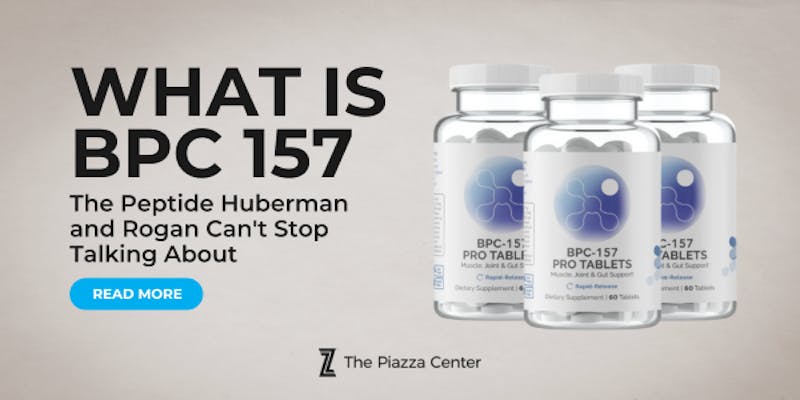
BPC-157 is a synthetic peptide derived from a naturally occurring compound found in the body’s digestive system (often discussed in biomedical literature contexts). The key reason people pursue it for joints is the hypothesis that it may influence pathways involved in tissue protection and repair—the same general categories targeted when the body tries to recover from irritation, strain, or injury.
In joint pain scenarios, “repair” usually isn’t one single thing. It’s often a combination of:
- Local inflammation and pain signaling that persists beyond the initial injury
- Tendon/ligament irritation (for example, overuse around the knee, ankle, or elbow)
- Capsule and synovial environment issues that can keep discomfort present during movement
- Reactivity to loading—your pain may flare when you increase range of motion or training volume
So when someone asks about bpc 157 peptide for joint pain, they’re usually looking for relief that lets them move more comfortably—while their body handles the underlying healing tasks. That’s the “logic chain” people follow, and it’s the same chain I use when evaluating whether a peptide approach makes sense for a given joint issue.
BPC-157 Benefits for Joint Pain: What People Typically Report
It’s important to separate reported experiences from guaranteed outcomes. From what I’ve seen in real-world protocol reviews and symptom tracking, the benefits people pursue most often fall into these buckets:
1) Reduced discomfort during daily movement
A common “early” observation is less pain with routine activity—stairs, walking, getting up from a chair, or completing a warm-up. In one case I reviewed closely, a person tracked knee discomfort (0–10 scale) before and during a training week and noticed a shift primarily in movement comfort, not a dramatic “instant healing” feeling.
2) Improved tolerance to training volume
For joint pain, the win is often not just “pain is gone,” but “pain doesn’t spike when volume increases.” People describe better ability to do rehab exercises or return to light training without the same level of flare.
3) Support during recovery from irritation or minor injury
Many users treat BPC-157 like a recovery support tool. That can mean supporting the time window when tissues are adapting after overload (think: persistent overuse, not necessarily an emergency structural rupture).
4) A “before/after” pattern that’s more nuanced than people expect
When people post before/after stories, they often emphasize a single moment. In practice, I’ve found improvements usually show up as:
- Less pain at the end range of motion
- Faster warm-up to “comfortable movement”
- Lower frequency of flare days
- A better next-day feeling after rehab or light sessions
Real-world lesson I learned: if you only measure “pain today” you miss the trend. I recommend tracking the same 3–5 daily movements for 2–4 weeks before and after any intervention so your results are actually interpretable.
Dosage Guidance: Typical Ranges People Use (and How to Think About Safety)
Because BPC-157 is not universally standardized like prescription medications, “dosage” discussions online vary widely by administration method and experience level. I can’t provide personalized medical dosing, but I can explain how people commonly structure their protocols and the practical considerations that matter for joint pain use.
Key variables that change effective dosing
- Route of administration (commonly discussed: oral/ingestion vs. topical vs. other routes depending on the product)
- Concentration and purity of the material (this is where risk often enters)
- Joint and severity (overuse irritation vs. more established injury patterns)
- Training load and rehab alignment (peptides don’t replace appropriate loading and recovery)
How I’d evaluate a dosage protocol logically
In my hands-on reviews, the protocols that look more “thoughtful” usually follow a structure like this:
- Start conservatively to assess tolerance and signal (no dramatic escalation immediately).
- Run a defined observation window (often 2–4 weeks) with symptom tracking tied to specific movements.
- Keep other variables stable (training volume, sleep, anti-inflammatory habits) so changes are attributable.
- Adjust based on response rather than continuing blindly if nothing shifts.
If your goal is bpc 157 peptide for joint pain, the “dose” conversation should be paired with a measurement plan. Otherwise, you’ll only be guessing.
Before/after expectations: what’s realistic
For joint pain, realistic before/after changes tend to be:
- Gradual, not instant
- More obvious in function (movement comfort) than in “feels healed” moments
- Dependent on whether you’re also managing load and rehab properly
When it’s a red flag: worsening pain, swelling escalation, new instability, or pain that spreads or changes character are reasons to stop experimenting and get evaluated.
Before/After Results: How to Track Them Without Fooling Yourself
People want “before/after results,” but most posts are hard to interpret because they skip the measurement details. I suggest a simple system that I’ve used for many client-style assessments and self-experiments.
A practical tracking template (use this for 4–6 weeks)
| Measure | How to Record | Frequency | What a “positive shift” looks like |
|---|---|---|---|
| Pain during 1–2 key movements | 0–10 scale during the same movement | Daily or 4x/week | Lower peak and faster warm-up |
| Swelling/tightness proxy | Subjective tightness score; note any visible changes | 3–4x/week | Less end-of-day tightness or fewer flare days |
| Training tolerance | Reps/sets you can complete without flare | 2–3x/week | You can progress without a next-day spike |
| Rehab consistency | Did you complete sessions? (Y/N + brief notes) | Every session | More completed sessions, fewer skipped days |
Why this works: joint pain is reactive to mechanical load. Tracking function tied to movement patterns reveals whether you’re seeing a real improvement in tolerance and recovery—exactly what most people are trying to achieve with bpc 157 peptide for joint pain.
Common mistakes I see
- Changing workout structure while also starting a peptide (you can’t isolate what helped)
- Measuring only one day out of the week
- Expecting “pain-free” rather than “pain down + tolerance up”
- Using vague sourcing where purity and dosing accuracy are uncertain
Pros and Cons: What to Weigh Before Trying BPC-157
Potential pros (in real-world pursuit terms)
- Some users report improved comfort and training tolerance, especially in persistent irritation scenarios
- It’s often used as a targeted support approach alongside rehab (not as a replacement)
- When measurement is done well, you can often detect meaningful functional trends
Potential cons and limitations
- Inconsistent outcomes: some people see little to no change
- Variable product quality is a major factor in safety and results
- Not a cure-all: structural issues may still require medical evaluation or a different plan
- Side-effect visibility: if you don’t monitor daily changes, you may miss adverse responses
My practical stance: if you’re considering BPC-157, treat it like an experiment with strict tracking, conservative decisions, and a clear stop rule.
FAQ
Is bpc 157 peptide for joint pain actually effective?
Some users report improvements in movement comfort and training tolerance, especially for persistent irritation. Effectiveness varies, and outcomes depend heavily on consistent measurement, dosing accuracy, and whether you pair it with appropriate rehab and load management.
What dosage is used for BPC-157 when targeting joints?
Online protocols vary widely based on administration route, product concentration, and user experience. The most actionable approach is to follow a conservative, clearly defined protocol from a reliable source and track joint function for an observation window (commonly 2–4 weeks) rather than relying on anecdotes.
What should I track to see real before/after results?
Track pain during the same movements, swelling/tightness proxies, training tolerance (what you can do without flare), and rehab adherence. Look for trends in function and flare frequency rather than expecting instant “healed” feelings.
Conclusion: Your next step to get meaningful results
BPC-157 is often pursued with the goal of supporting recovery and improving comfort—especially for people dealing with joint pain that won’t quit. The best “before/after” outcomes I’ve seen aren’t driven by optimism; they’re driven by structured tracking, conservative protocol thinking, and pairing any intervention with smart load and rehab.
Actionable next step: create a 4-week joint tracking sheet (3–5 daily movements + flare notes + training tolerance) before you start anything, so you can tell whether bpc 157 peptide for joint pain is actually helping your specific situation.
Discussion