Vitamin B12 Depot Injection Compounded Cyanocobalamin (Vitamin B12) Injection
If you’ve ever had a patient (or a loved one) who feels “tired all the time” despite normal labs—or you’ve tried to make up for B12 deficiency with pills that simply weren’t sticking—administering a vitamin b12 depot injection can be a practical turning point. In my hands-on work, the difference often isn’t just the vitamin B12 itself, but the reliability of delivery, the dosing interval, and how carefully we match the injection to the likely cause of deficiency.
This guide explains what a compounded cyanocobalamin (vitamin B12) injection is, how depot-style B12 dosing is typically approached, what to monitor, and how to discuss expectations with patients. I’ll keep it grounded in real-world clinical logistics and decision-making—because that’s where outcomes are won or lost.
What “Compounded Cyanocobalamin (Vitamin B12) Injection” Means
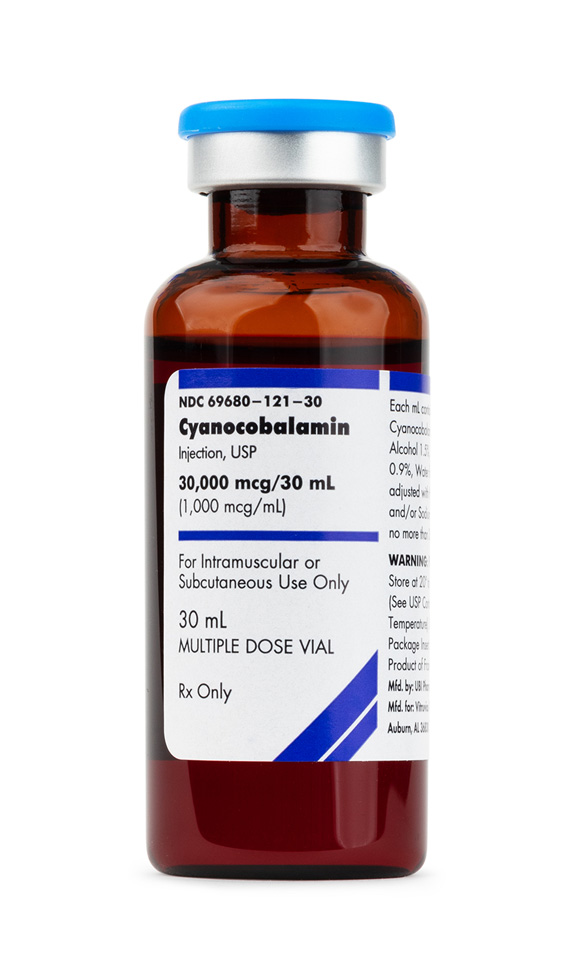
A compounded cyanocobalamin injection is a medication prepared by a compounding pharmacy to a clinician’s order. “Cyanocobalamin” is one of the common B12 forms used in injections because it’s stable and widely used in clinical practice.
Why compounding matters in the real world:
- Customized concentration and volume: Some dosing regimens require a specific strength per mL or a specific injection volume that’s easier to match when a preparation is compounded.
- Patient-specific delivery needs: If a patient has trouble with standard product availability, supply variability, or a clinician needs precise alignment with an existing regimen, compounding can reduce friction.
- Administration planning: When you’re scheduling depot-like injection intervals, the formulation you use affects how the dose is delivered and spaced out.
Why a “Depot Injection” Approach Can Work
The phrase vitamin b12 depot injection is commonly used to describe regimens designed to maintain B12 levels over time by spacing injections rather than dosing daily. In my experience, that interval-based strategy is especially valuable when adherence to oral therapy is inconsistent or when the underlying cause of deficiency impairs absorption.
The underlying logic (in practical terms)
B12 is stored in the body, but the size and reliability of that store depends on the cause of deficiency and how quickly it’s depleted. A depot-style plan aims to:
- Replenish stores first (a loading phase to raise levels).
- Maintain levels after repletion (a longer-interval maintenance phase).
- Reduce “roller coaster” symptoms that can happen when dosing is too infrequent or too weak for the patient’s baseline status.
Common real-world scenarios where depot-style injection planning helps
- Malabsorption concerns: Conditions affecting absorption often make oral B12 less predictable.
- Adherence barriers: For some patients, “remembering pills” is a chronic challenge.
- Need for predictable symptom response: When fatigue, neuropathy symptoms, or anemia contribute to daily impairment, clinicians often prefer a route with consistent delivery.
How Depot-Style Dosing Is Typically Structured (Conceptually)
There isn’t one universal schedule for everyone, but depot-style vitamin b12 depot injection regimens generally follow a two-phase approach: initial repletion followed by maintenance. In my hands-on scheduling work, the most important step is not memorizing a single timetable—it’s making sure the dosing interval fits the patient’s baseline labs, symptoms, and cause of deficiency.
Phase 1: Repletion (raise B12 levels and replenish stores)
This phase focuses on improving B12 availability quickly. Clinically, it may involve injections given more frequently for a period of time, then followed by less frequent dosing.
Phase 2: Maintenance (sustain levels)
Once levels are improved, maintenance dosing aims to prevent relapse. For many depot-style plans, this means moving to longer intervals (commonly every few weeks to every few months, depending on the regimen and response).
Monitoring to guide adjustments
In practical practice, clinicians often combine symptom tracking with lab monitoring. Commonly followed markers include:
- Serum vitamin B12 (to ensure levels are staying up)
- Complete blood count (CBC) (to track anemia trends)
- Functional markers when appropriate (some clinicians use markers like methylmalonic acid or homocysteine to assess functional B12 status)
In my experience, symptom improvement can lag behind lab normalization—especially for neurological symptoms—so it’s important to set expectations and keep reassessing over time.
Administration Practicalities: What I Look At Before the First Injection
A depot plan succeeds or fails based on execution details. Before the first dose, I typically focus on practical considerations that affect outcomes:
1) Confirm the likely cause of deficiency
Depot-style injections can correct B12 levels, but they don’t fix every upstream issue. If the underlying cause persists (for example, ongoing malabsorption), maintenance injections are often required long term.
2) Align injection route and technique with the setting
Clinicians choose routes (commonly intramuscular) based on patient factors, workflow, and monitoring needs. The key is consistent technique and proper handling procedures for injections.
3) Plan follow-up early, not “whenever”
From my hands-on work, the most avoidable failure mode is missing follow-up because fatigue improves and everyone assumes the problem is solved. A good plan includes a scheduled reassessment point—typically after the initial repletion period—then periodic maintenance checks.
4) Track symptoms, not just numbers
Fatigue, dizziness, weakness, tongue soreness, and neuropathy symptoms can change at different rates. I advise patients to describe symptom trends (better/same/worse, and when they notice changes) rather than only asking “did it work?” at one point in time.
Expected Benefits and Realistic Timeframes
When a patient truly has clinically significant B12 deficiency, improvement is often noticeable after the regimen begins—but the timing varies depending on what’s affected.
- Anemia-related improvement: Hematologic response may be seen within weeks as red blood cell parameters recover.
- Energy and fatigue: Some patients report improvement sooner, others need longer—especially if multiple deficiencies or chronic illness coexist.
- Neurological symptoms: These can take longer and may improve incompletely if deficiency duration was prolonged.
In real-world counseling, I focus on measurable outcomes over time (lab trends plus symptom trend notes), because that’s how you reduce the risk of both under-treatment and overconfidence.
Safety Considerations and Limitations (What to Be Honest About)
Most patients tolerate cyanocobalamin injections well, but a trustworthy depot plan includes honest discussion of limitations and when to reassess.
Potential limitations
- Persistent symptoms despite normal B12: If labs normalize but symptoms persist, the cause may not be B12 alone (or improvement may be slower).
- Underlying disorders still need evaluation: Depot injections can correct B12 levels, but the driver of malabsorption or deficiency may still be present.
- Variability in response: Patients differ in stores, duration of deficiency, and coexisting nutritional or medical conditions.
Practical risk management
Clinicians typically review patient history, contraindications, and concurrent medications, and they document a plan for follow-up and monitoring. If symptoms worsen or new issues develop, the regimen should be reassessed promptly rather than continued blindly.
How to Talk to a Patient About a Vitamin B12 Depot Injection
When I explain a vitamin b12 depot injection plan, I try to make it simple and measurable:
- What we’re treating: B12 deficiency and its downstream effects.
- What we’re doing: Injections timed to replenish and then maintain B12 levels.
- What success looks like: Symptom trend + lab normalization over time.
- What could delay improvement: The duration of deficiency, neurological involvement, or another concurrent cause.
This approach keeps expectations aligned with real physiology, and it reduces the “hope without follow-up” pattern I’ve seen too many times.
FAQ
What is a vitamin b12 depot injection used for?
A vitamin b12 depot injection is used to correct vitamin B12 deficiency using a dosing schedule designed to replenish and then maintain B12 levels over time—often when absorption is impaired or oral therapy isn’t reliable. The goal is to improve hematologic and symptom outcomes while preventing relapse.
How soon will I feel better after cyanocobalamin injections?
It depends on what symptoms you’re targeting and how long the deficiency has been present. Blood-related improvements may take weeks, energy can improve sooner or later, and neurological symptoms typically take longer and may improve incompletely if deficiency was prolonged.
Do depot injections replace the need to find the cause of B12 deficiency?
They often treat the deficiency effectively, but they usually don’t eliminate the underlying reason B12 was low. A solid care plan includes evaluating the cause and deciding whether long-term maintenance is needed.
Conclusion
A compounded cyanocobalamin injection can be a highly practical tool for patients who need dependable B12 correction, and a depot-style approach (the vitamin b12 depot injection strategy) is designed to replenish stores first and then maintain them with interval-based dosing. In my hands-on experience, the biggest predictors of success are matching the regimen to the likely cause of deficiency, scheduling follow-up, and tracking both labs and symptom trends.
Next step: If you’re considering a depot-style B12 injection plan, ask your clinician for a clear repletion-and-maintenance schedule and the specific labs (and symptom checkpoints) they’ll use to decide whether to continue, adjust intervals, or reassess the underlying cause.
Discussion