Bac Water For Peptides Near Me Buy Bacteriostatic Water
Introduction: The “right” bac water decision you can’t afford to get wrong
If you’ve ever paused before buying bac water for peptides near me because you weren’t sure about sterility, consistency, or how it should be used, you’re not alone. In my hands-on work preparing peptide workflows, the biggest preventable issues weren’t complicated chemistry—they were basic sourcing and process gaps: inconsistent water quality, poor handling, unclear labeling, and wasted time when a shipment arrived late or the wrong item was delivered.
This guide explains how to buy bacteriostatic water (commonly called “bac water”) for peptide reconstitution safely and practically—what to look for, what usually causes problems, and how to make your purchase and usage routine more reliable.
What bac water for peptides actually is (and why it matters)
Bacteriostatic water is sterile water intended for reconstitution where microbial growth needs to be inhibited during storage. In peptide workflows, the “bac” part matters because peptides are often stored after reconstitution, and you want to reduce the risk of contamination between uses—especially when you’re drawing multiple doses over time.
In my lab-style preparation process, I treat bac water as one part of a system: sterile sourcing + correct storage + disciplined handling. Even the best bacteriostatic water can’t compensate for poor vial handling (touching syringe tips, repeatedly breaching a seal without clean technique, leaving vials at room temperature longer than needed, or using questionable equipment).
How to buy: what to verify when searching for bac water for peptides near me
When you search for bac water for peptides near me, you’ll typically find options that vary in packaging, supplier reputation, and clarity of product labeling. Here’s the checklist I use to decide quickly—without relying on marketing claims.
1) Product type and labeling clarity
- Confirm it’s bacteriostatic water intended for reconstitution. Look for clear product labeling that matches your intended use.
- Check concentration and formulation details if provided (some listings are vague; vague labels increase operational risk).
- Verify presentation: vial size, needle access configuration, and any included instructions.
2) Sterility and supplier trust signals
- Prefer suppliers that provide transparent sourcing and consistent product packaging. In real workflows, “inconsistent labeling” is a recurring problem indicator.
- Look for compliance signals such as quality documentation, verifiable business information, and clear return/shipping policies.
- Avoid listings that feel like placeholders. If the page doesn’t clearly describe the product, you’ll end up spending time troubleshooting instead of running your plan.
3) Shipping timeline and storage conditions
Shipping matters more than people think. In my experience, delays can lead to uncertainty about what temperatures the product endured (and when it arrives, you still have to manage your own handling and storage). Before ordering, make sure the seller’s process and shipping timing align with your schedule.
4) Packaging integrity on arrival
- Check that seals and packaging appear intact.
- Inspect vials for visible issues and ensure labeling is readable.
- If anything looks off, don’t “make it work”—replace it so you don’t create a contamination or consistency risk.
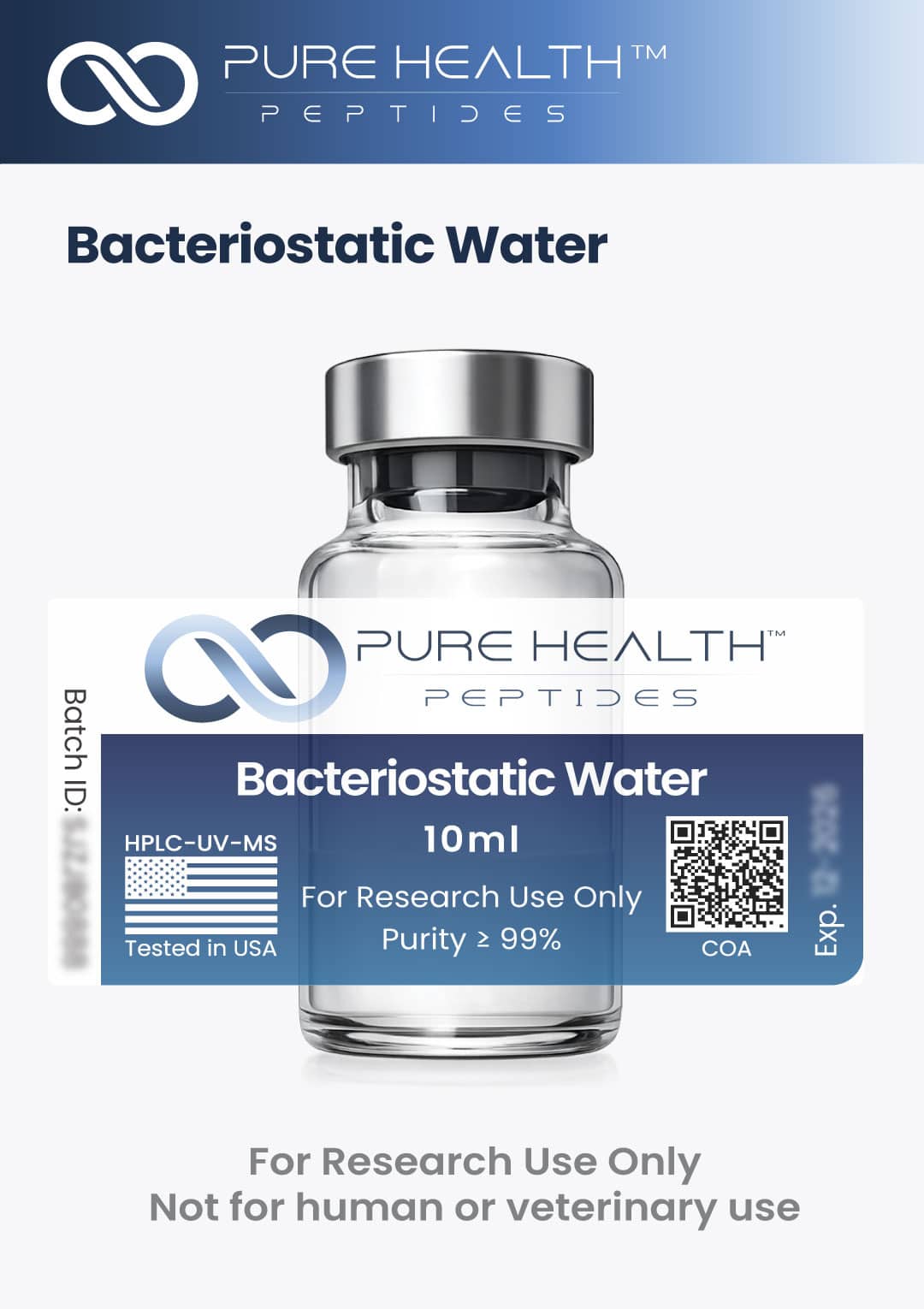
Product image
Best-practice handling: how to reduce contamination risk (from my workflow)
Even when bac water is correct, many problems come from process friction. When I’m training someone new to peptide reconstitution, I focus on steps that reduce how often the vial is exposed and how often the same equipment is reused without controls.
What I standardize in real use
- Clean workspace and disciplined timing: minimize time vials are open or exposed.
- One-time sterility mindset: treat the syringe/needle and vial contact points as sterile until proven otherwise.
- Labeling before you start: prepare a label so you don’t guess mid-process.
- Plan your draws: reduce repeated entries into the same vial when your dosing plan allows.
Common failure points to watch for
- Unclear reconstitution instructions leading to inconsistent results.
- Over-handling (opening, closing, re-opening) because the plan wasn’t set up first.
- Equipment shortcuts that introduce variability (like using tools that weren’t kept sterile or are unclear in handling).
- Not verifying product identity (wrong item or wrong vial size) before starting.
Pros and cons of using bac water for peptides (practical view)
Bacteriostatic water is widely used in peptide workflows, but it’s not a magic shield. Here’s the honest tradeoff analysis I’ve seen play out in day-to-day operations.
| Factor | Potential benefits | Limitations / when to be careful |
|---|---|---|
| Microbial risk management | Helps inhibit bacterial growth during storage between uses. | Doesn’t replace clean technique; contamination can still occur if handling is sloppy. |
| Workflow convenience | Supports multi-dose planning after reconstitution. | Still requires disciplined labeling, timing, and storage. |
| Consistency | Reliable reconstitution liquid can reduce variability across batches. | Quality depends on correct sourcing and intact packaging upon arrival. |
| Operational risk | Clear, standardized product reduces “guesswork” during preparation. | If the wrong product is purchased (or labeling is vague), troubleshooting wastes time and increases uncertainty. |
FAQ
What should I look for when I search “bac water for peptides near me”?
Prioritize clear product labeling, credible supplier information, intact packaging on arrival, and shipping timelines that match your schedule. Avoid listings that don’t clearly describe what you’re buying.
Can I use bac water for peptides even if I’ll only reconstitute once?
Yes, many workflows use it for single reconstitution because it still supports safer storage after reconstitution. The bigger determinant is your handling discipline and your storage plan between uses.
What’s the most common mistake people make with bac water?
Incorrect handling and vial exposure—often caused by starting without a clear plan (labels ready, dosing steps organized, and equipment prepared). In my experience, reducing repeated vial entries and minimizing exposure time prevents more issues than any brand comparison.
Conclusion: make your next purchase more predictable
Buying bacteriostatic water doesn’t have to be stressful. If you use a consistent checklist—verify labeling, choose a trusted supplier, confirm packaging integrity on arrival, and run a disciplined handling workflow—you’ll reduce variability and avoid the most common failure points.
Next step: Before ordering, write down your required vial size and timing needs, then use the verification checklist (type/label clarity, supplier trust signals, shipping timeline, and arrival integrity) to decide which bac water option to buy.
Discussion